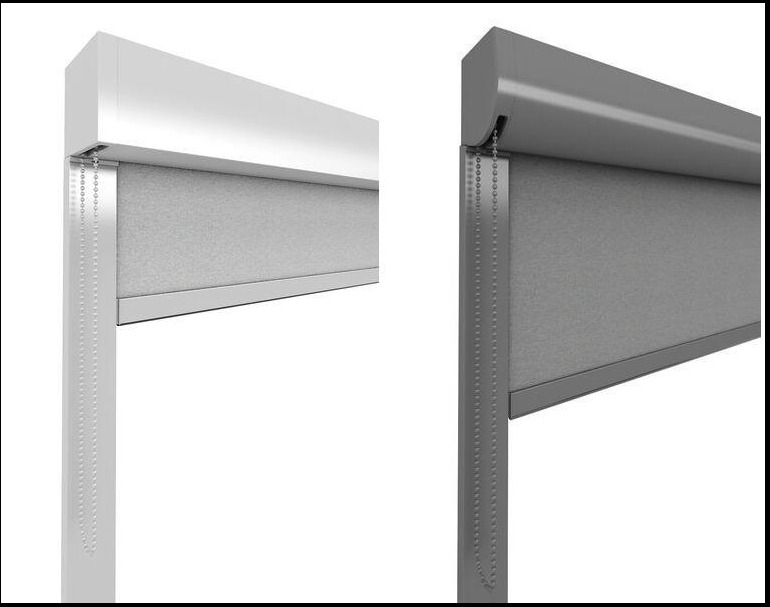
What architects told us at AIA 2026: specify concealment as infrastructure, not a finish
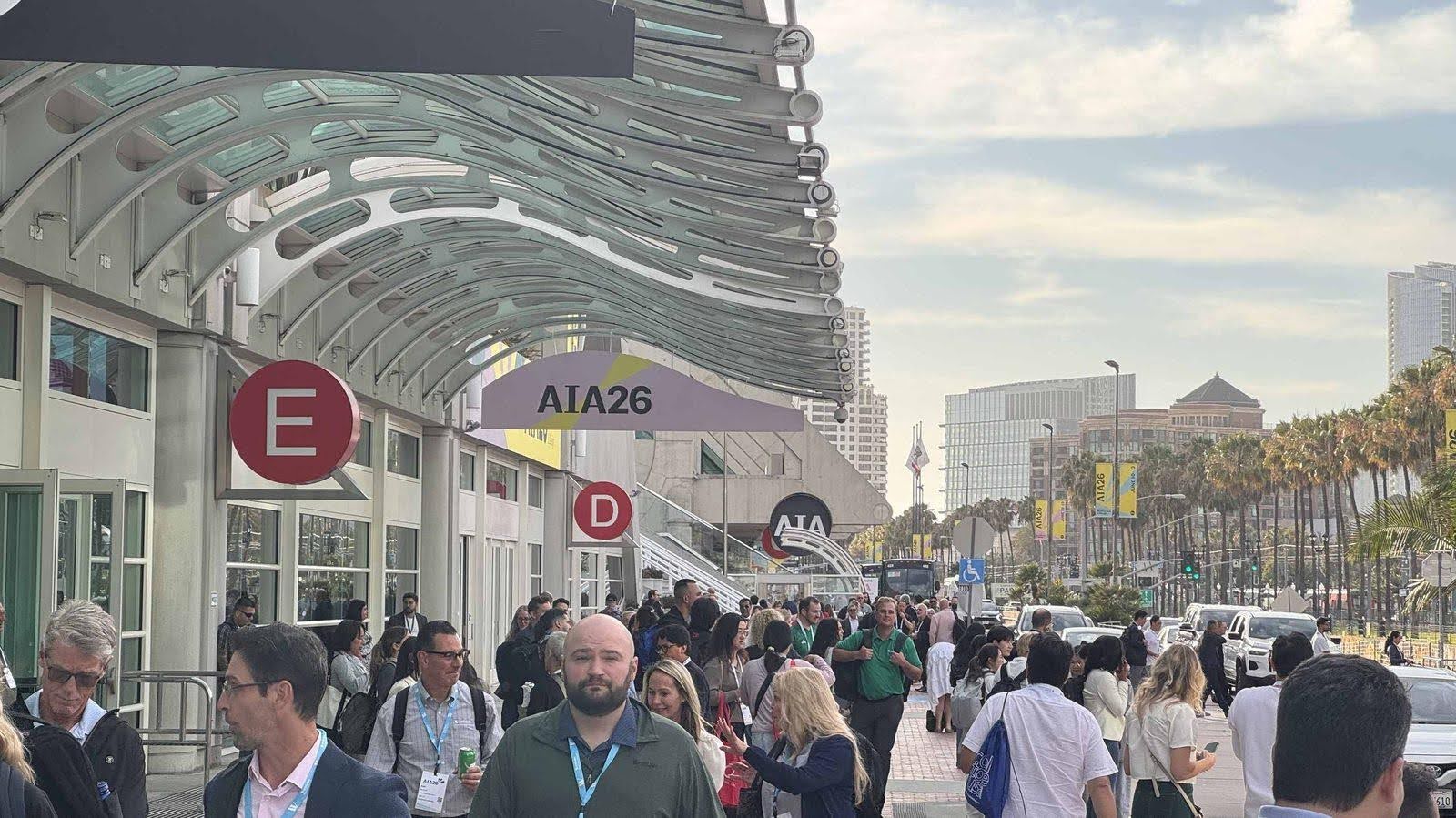
At AIA 2026, we told architects the same thing: decide concealment early. Specify the pocket during design development so shading coordinates with ceiling, lighting, AV, and MEP instead of fighting them on site.
At AIA 2026, the same point came up at our booth in nearly every conversation. Visible shade hardware has become a design liability, and architects want concealment decided early in design, not chosen late as a finish. The teams getting it right specify the concealment pocket during design development, so shading coordinates with the ceiling, lighting, AV, and MEP instead of fighting them on site.
Concealed shading is now the expectation, not the upgrade
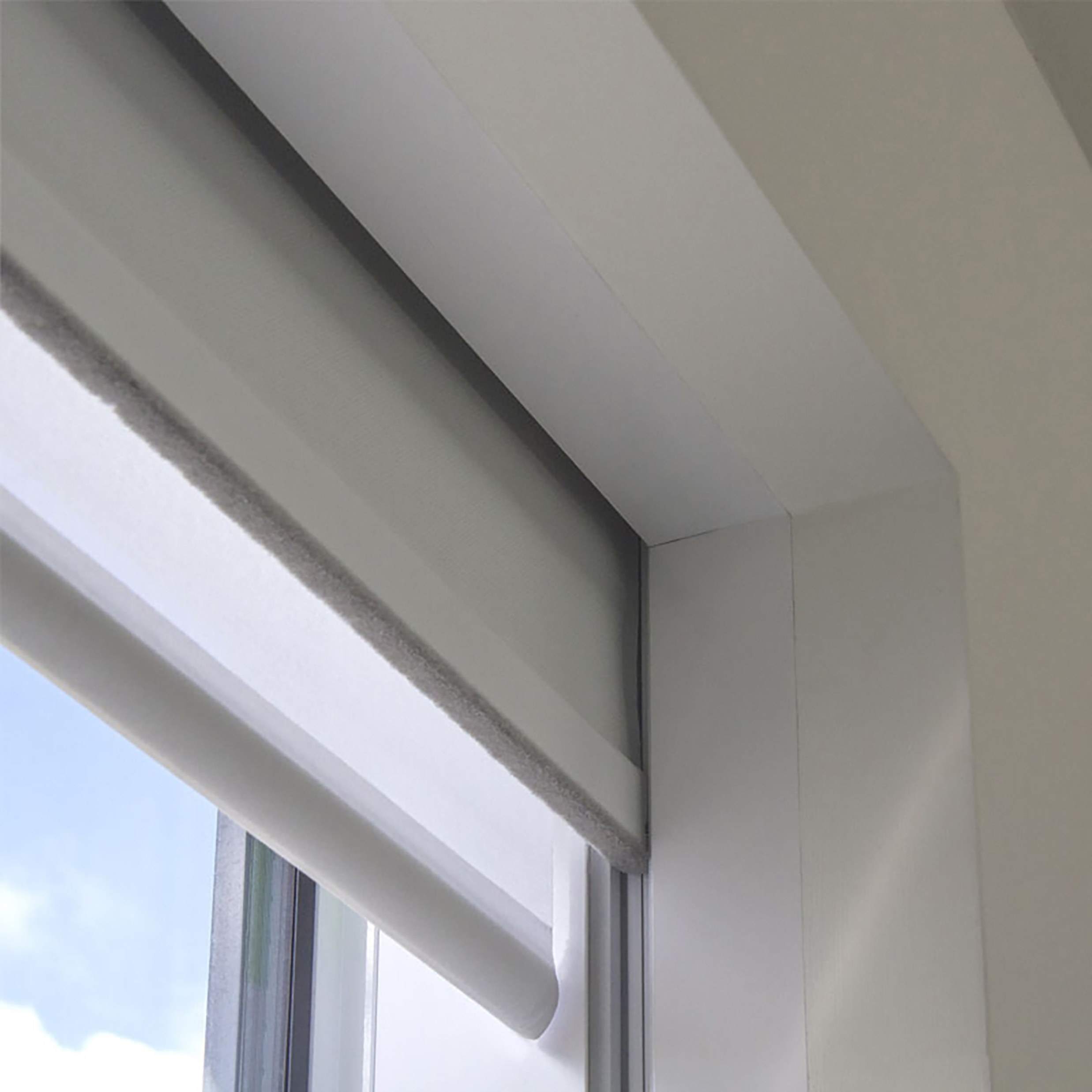
Across the show floor, architects working in residential, commercial, hospitality, and institutional projects said the same thing: clean ceiling lines and fully coordinated interiors now assume the hardware disappears. Project teams are specifying:
- Concealed roller shade systems
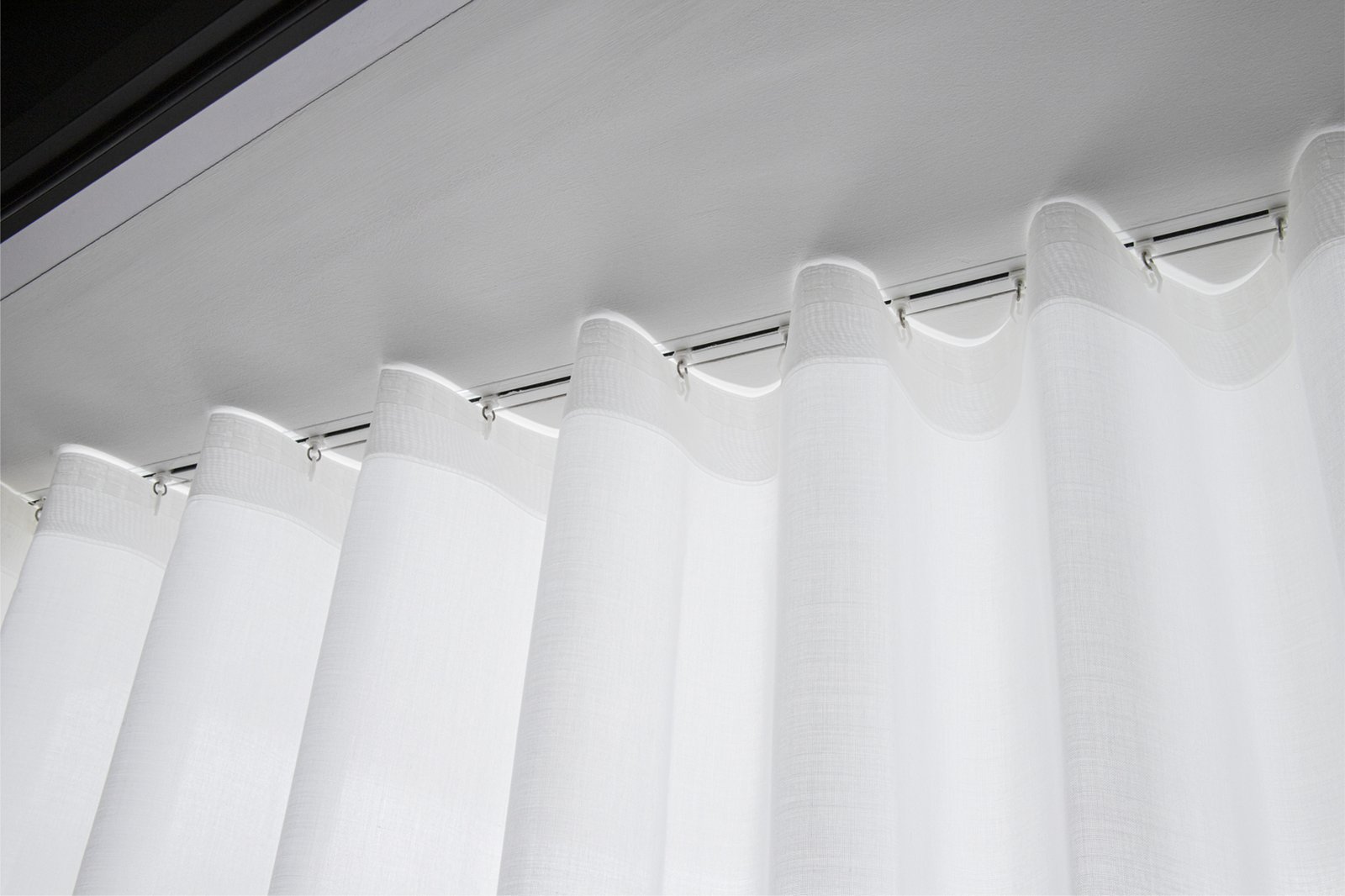
- Recessed drapery track systems
- Flush ceiling integrations
- Minimal visual interruption at the window line
- Fully coordinated architectural detailing
Concealed pocket systems like Blindspace let shades and tracks recede into the architecture while keeping full function, reflecting a broader shift toward seamless interiors where building systems are fully integrated, not added on.
The real problem is coordination, and it starts early
The most discussed challenge at AIA was early-stage coordination. Window treatments are no longer an isolated line item. They have to be coordinated with ceiling and soffit design, lighting layouts, HVAC, electrical and power, AV and smart-building systems, and millwork. When concealment is not considered early, the conflicts surface during construction as redesigns, RFIs, and installation delays.
“Coordination failures are rarely about the shade itself. They happen because concealment was treated as a finish, chosen late, rather than as infrastructure defined during design development. We created Blindspace to make concealment its own category of building product, separate from the shading selection itself. That lets architects specify it with confidence at the earliest stages, before a control system or a shading brand has even been chosen. The earlier that decision is made, the more options stay open for everyone downstream. Pull it forward and AV, lighting and MEP coordinate around a known detail, instead of working around a gap.”
— Anders Sundelin, Founder and Managing Director, Blindspace
Motorization is part of the same early decision
Motorized shading remains one of the fastest-growing areas of demand, and at AIAit was tied directly to early ceiling coordination. Architects raised automateddaylight control, energy and sustainability goals, smart-building integration, andcompatibility with platforms such as Lutron, Somfy, and Crestron. The controldecision affects pocket depth and clearance, so it belongs in the same designdevelopment conversation as the concealment itself, not after.
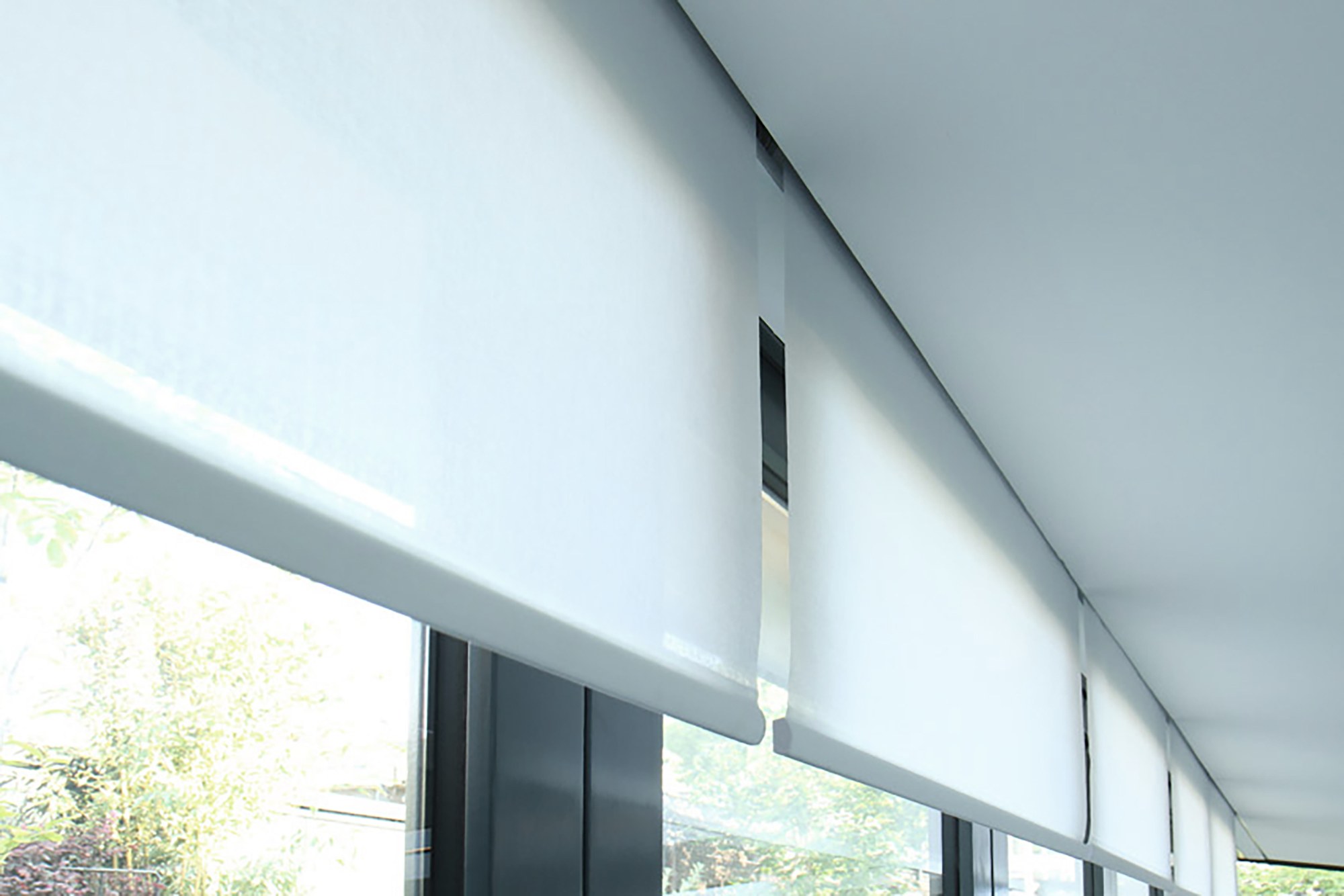
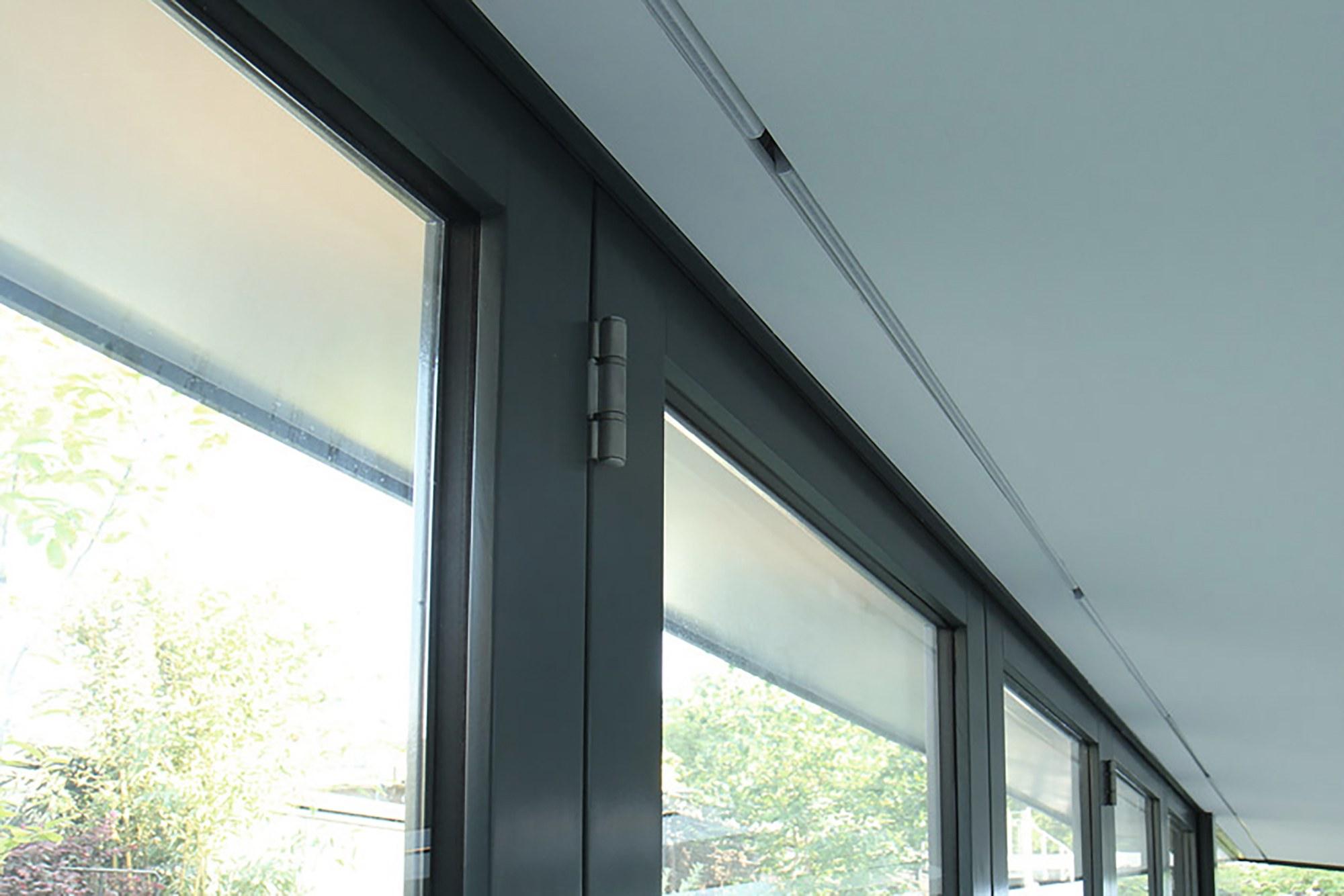
Somfy Systems showcased their latest Zigbee and PoE motorized shadingsolutions at AIA 2026, including the Glydea® ULTRA drapery motor. Whenintegrated with TrackTrim by Blindspace — a concealed ceiling track system— the collaboration delivers smooth, quiet drapery automation acrossRipplefold®, pinch pleat, and Accordia® styles, proving that architecturalelegance and smart automation don't have to be a compromise.
— David Parrett, Vice President Partnerships & Specifications, Somfy
What this means for how you specify
Pull the concealment decision forward. Settle the pocket at design development, before the shade brand or the control system is chosen, and document it in the model so every trade coordinates around a known detail. That single move is the difference between a clean ceiling that installs without surprises and a redline on a ceiling you already closed out.

Frequently asked
When should concealed shading be specified?
At design development, before a shade brand or control system has been chosen. Specifying it early keeps options open for AV, lighting, and MEP and avoids construction-phase conflicts.
What has to be coordinated with concealed shading?
Ceiling and soffit design, lighting layouts, HVAC, electrical and power, AV and smart-building systems, and millwork. The pocket detail touches all of them, which is why it is decided early.
What is the difference between concealment as a finish and as infrastructure?
Treated as a finish, concealment is chosen late, after the architecture is set, which is where coordination conflicts come from. Treated as infrastructure, the pocket is defined during design development as its own detail, independent of the shade or control brand.
What is Blindspace?
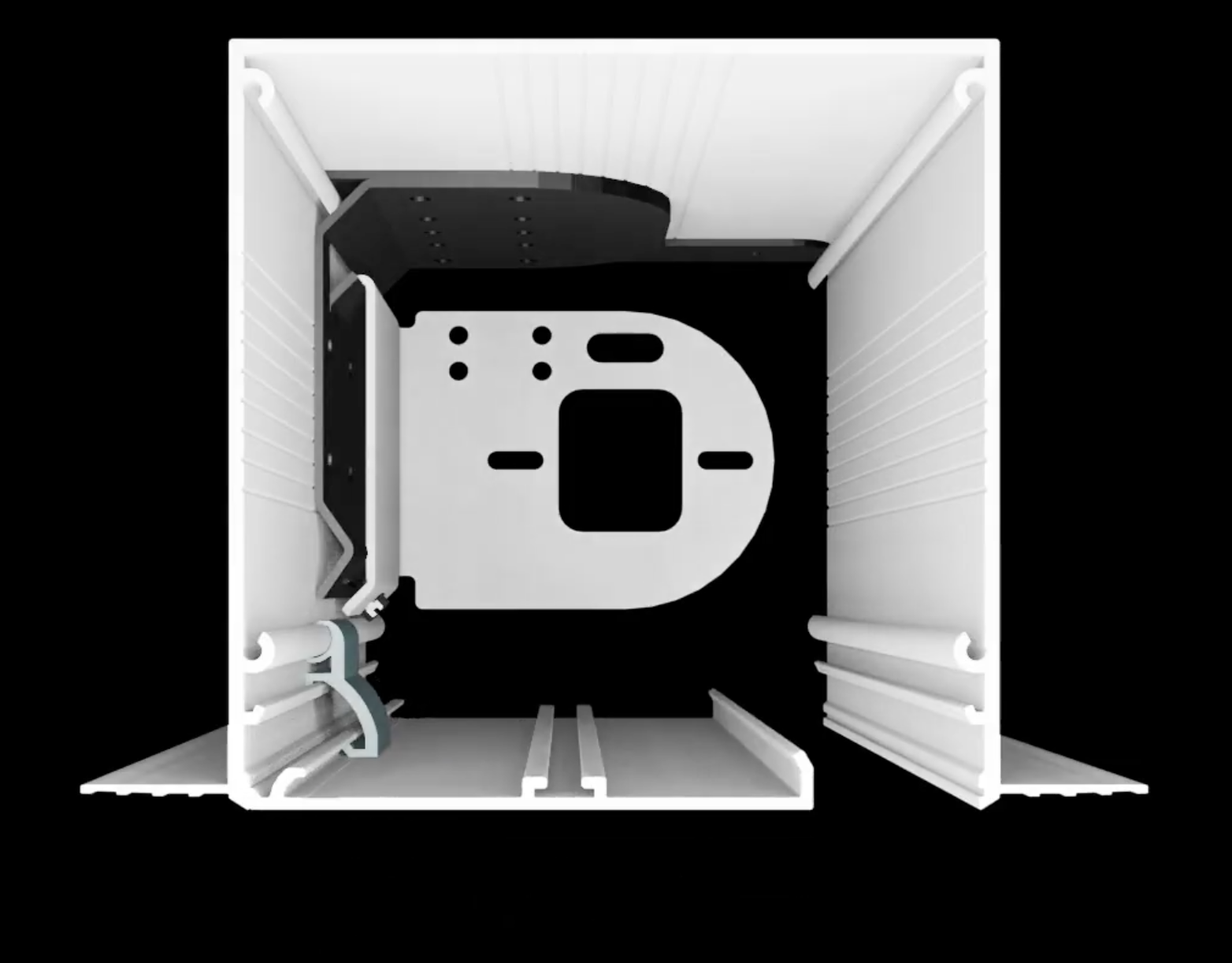
A Swedish-engineered concealed pocket and track system that lets roller shades and drapery tracks install flush and hidden. Window Modes is the authorized US distributor and fabricates the surrounding conditions.
What technical resources are available for specification?
Revit BIM families (.rfa), CAD details (DWG/PDF), RCP coordination details, Blindspace pocket specifications (S-Series, C-Series, custom), and motorization clearance diagrams. These are available at resources.windowmodes.com.
Blindspace recessed pockets & TrackTrim
For your next project
.jpg)